Messi explains tears after narrow escape against Egypt
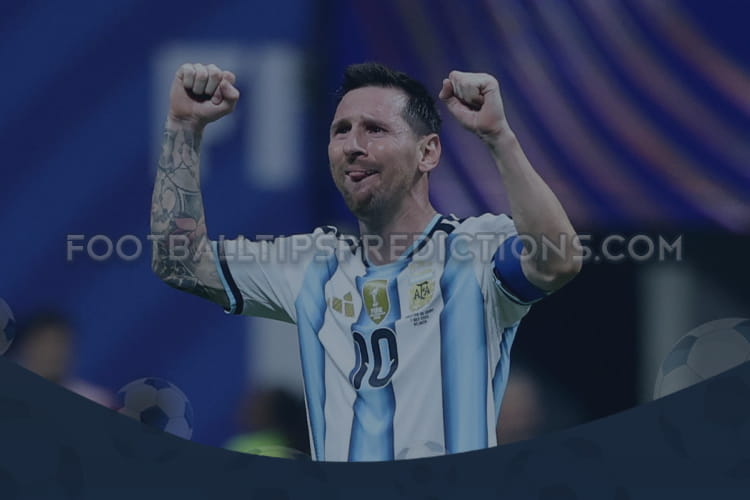
Lionel Messi was deeply emotional on the pitch after the final whistle in the match against Egypt. The reigning world champions were 0-2 down with around ten minutes of official playing time remaining, but produced a huge comeback.
Messi explains tears after Argentina escape Egypt with historic World Cup comeback
Lionel Messi was left in tears after Argentina dramatic 3-2 victory over Egypt, but the emotion was not only about relief, pressure or the scale of the comeback. The Argentina captain later explained that his frustration came from a missed penalty that, in his view, could have made the match far less complicated for the reigning world champions.
Argentina were on the edge of elimination with around 10 minutes of official playing time remaining. Egypt led 2-0 and appeared close to one of the biggest shocks of the World Cup 2026 knockout stage. But Argentina responded with a remarkable late surge, scoring 3 times to turn disaster into survival without needing extra time.
The final whistle brought scenes of exhaustion and emotion. Messi stood on the pitch visibly affected, with tears on his face after a match that had tested Argentina physically, tactically and emotionally. For a team carrying the weight of being world champions, the night became another reminder that nothing is simple at this level.
Messi says missed penalty caused his tears
After the match, Messi explained the reason behind his emotional reaction. Speaking through FIFA channels, he said the missed penalty had stayed with him throughout the game and made the final minutes even more intense.
"I cried because I was very frustrated about the penalty I missed. Because if I had simply converted that penalty, the match would have gone very differently. We were playing very well, despite the goals conceded."
The explanation showed how personally Messi had taken that moment. Even after Argentina completed a comeback that will be remembered as one of the most dramatic in World Cup history, the captain was still thinking about the chance he had failed to take earlier in the match.
That reaction is also part of what continues to define Messi at this stage of his career. The medals, records and global status do not remove the burden of responsibility. In a knockout match, every action can change the tournament. For Messi, the missed penalty felt like a mistake that had pushed Argentina into unnecessary danger.
His words also revealed his belief that Argentina had not played as badly as the scoreline suggested for much of the match. Despite conceding 2 goals, Messi felt the team were performing well and creating enough to deserve a better situation before the final spell.
Argentina produce a comeback for the history books
The scale of Argentina recovery was extraordinary. According to Argentine media, never before had a country come back so late from such a deficit at the World Cup and still won the match without needing extra time.
That detail gives the result a special place in tournament history. Comebacks happen in football, but they usually need time, momentum or extra time to fully develop. Argentina had very little of any of those things. They were 2 goals down, under enormous pressure and facing an Egypt side that had built a defensive structure designed to protect the lead.
What followed was a furious final phase in which Argentina rediscovered urgency, movement and belief. The world champions did not simply reduce the deficit. They turned the entire match around before the end of normal time.
That kind of comeback requires more than technical quality. It requires emotional resistance. It requires players to keep attacking while knowing that every lost ball could be fatal. It requires leaders to take responsibility when fear starts to spread.
For Argentina, that leader was once again Messi.
Messi moves away from striker role
Argentine outlet TyC Sports focused on the tactical shift that helped change the match. Messi had started in a more advanced position, but as Argentina struggled to break Egypt down, he moved away from the striker role and began to influence the game from a different zone.
"He became the playmaker needed to break down the Egyptian wall. Argentina once again faced a defensive team and the key was Messi, who left his striker position. Instead, he started building play from another area of the pitch."
The shift to the right gave Messi more freedom to receive the ball, turn toward goal and connect with teammates. Instead of waiting for service in crowded central areas, he began to create the service himself.
That change mattered because Egypt had made the centre of the pitch difficult to penetrate. Their defensive block forced Argentina to move the ball from side to side, looking for spaces that rarely appeared. By drifting wider, Messi changed the angles of attack and gave Argentina a different rhythm.
It was not the most spectacular Messi performance of his career, but it became one of those matches where his intelligence and adaptability were just as important as his individual brilliance.
Greater influence in the final phase
TyC Sports also noted that Messi became far more influential after changing position. The Argentina captain was not at his absolute best, but he found a way to affect the match when it mattered most.
"From that position, the captain performed at his best. Still not the very best he has ever shown, but he had much more influence on the match than in the previous 75 minutes."
That assessment captures the unusual nature of the performance. Messi did not dominate from the first minute. He missed a penalty, lived through frustration and had to watch Argentina fall into serious trouble. But in the decisive period, he found the spaces and decisions that helped change the game.
At this point of his career, Messi does not always need to play at full speed to shape a match. Sometimes his impact comes from recognising where the game is blocked and moving into the area where he can create the most damage.
Against Egypt, that meant leaving the most advanced line and becoming the organiser. Argentina needed someone to break the wall, not simply someone to finish attacks. Messi understood that and adjusted.
Egypt defensive wall almost holds
Egypt deserve credit for how close they came to eliminating the reigning world champions. For most of the match, they frustrated Argentina and forced them into uncomfortable positions. Their defensive organisation created exactly the type of match that can trouble even the best teams.
Argentina have faced similar challenges many times: opponents sitting deep, protecting central areas and waiting for moments to attack. This time, the danger became extreme because Egypt did not only defend. They also took their chances and built a 2-0 lead.
That made the final minutes a test of patience and nerve. Argentina had to attack without becoming reckless, but the clock left them with almost no margin for calm. Every pass, every duel and every decision carried the weight of possible elimination.
That is why the comeback felt so intense. Argentina were not cruising through a match they controlled. They were fighting to stay alive in a contest that had nearly slipped beyond their reach.
The Athletic highlights Argentina emotional chaos
The Athletic described the experience of watching Argentina in typically dramatic terms. The outlet highlighted how often this team seems to live on the edge between disaster and glory.
"Imagine being a cardiologist in Argentina. This team gives you a heart attack. Argentina always play on the edge, with hysteria and euphoria."
That line summed up the emotional reality of Argentina football. Even when the team wins, it rarely feels simple. The match against Egypt was another example of a side that can move from crisis to celebration in a matter of minutes.
For supporters, the comeback will bring pride and exhaustion in equal measure. Argentina survived, but they did it in the most dramatic possible way. They were close to leaving the tournament, close to seeing the defence of their title end, and then suddenly they were celebrating a victory that will be talked about for years.
This is part of Argentina identity in major tournaments. There is often suffering before joy, tension before release and chaos before triumph. Against Egypt, all of those emotions were compressed into one wild final stretch.
Debate grows over Messi and penalties
Despite the victory, the missed penalty has already started a debate in Argentine media. In one opinion piece, the suggestion was made that Messi should perhaps be removed from the penalty list.
"That sounds very disrespectful, but looking at recent history, it may be wise. It is not as if we do not have other options."
It is a sensitive discussion because of who Messi is and what he means to Argentina. Taking penalty duties away from him would be a major symbolic decision. But the debate exists because knockout football does not leave much room for sentiment.
Penalty kicks in World Cup matches are not normal chances. They carry enormous psychological pressure. A miss can change the entire emotional structure of a game, as happened against Egypt. Messi admitted that if he had scored, the match could have followed a completely different path.
Still, such a decision would not be simple. Messi remains the captain, the reference point and the player most associated with Argentina greatest modern achievements. Removing him from penalties would require careful management, especially during a World Cup campaign.
Champions find a way to survive
Beyond the penalty debate, Argentine media also focused on the pride shown by the team. The comeback became a statement of character, even if the performance was far from perfect.
"Champions are champions because they have character. They have pride, bravery and courage. Title favourites or not, Argentina are at least champions."
That sentiment reflects the deeper meaning of the night. Argentina did not play a flawless match. They conceded twice, missed a penalty and needed a late rescue act. But they also showed the qualities that often separate champions from ordinary teams.
They refused to collapse. They kept pushing. They adapted tactically. Their captain moved into a more creative zone and helped break down Egypt resistance. The team found goals when the match seemed almost lost.
In tournament football, that matters. The best teams are not always the ones that win cleanly. Sometimes they are the teams that survive when everything goes wrong.
Messi emotion reflects Argentina pressure
Messi tears also revealed the pressure surrounding Argentina. As reigning world champions, every match carries a different weight. Opponents are motivated, expectations are enormous and every mistake is magnified.
For Messi, that pressure is even greater. He remains the emotional centre of the team, the player everyone watches and the figure expected to decide the biggest moments. Missing a penalty in a match where Argentina later went 2-0 down was always going to affect him deeply.
But his response after that mistake was important. He did not disappear from the game. He adjusted his position, took more responsibility in possession and became the playmaker Argentina needed in the final phase.
That is why the night will be remembered in 2 ways. It was a match of frustration for Messi because of the penalty. But it was also another example of his ability to influence a game even when it starts badly for him personally.
Argentina advance, but warning signs remain
The 3-2 win sends Argentina into the next round, but it also leaves questions. Egypt showed that the world champions can be hurt, frustrated and dragged into chaos. The comeback was historic, but the need for such a comeback will concern the coaching staff.
Argentina cannot always rely on late drama. Against stronger opponents, falling 2 goals behind may be too much to recover from. The defensive mistakes, the missed penalty and the difficulty in breaking down a compact opponent will all need attention.
At the same time, the psychological boost from such a win can be enormous. Teams often grow after surviving a near-disaster. A comeback like this can strengthen belief inside the dressing room and remind players that no match is finished while they still have time.
Argentina leave the Egypt match with both relief and warnings. They are still alive, but they know they were close to the edge.
A night of tears, pride and survival
Argentina 3-2 win over Egypt was more than a result. It was a match that contained nearly everything: a missed Messi penalty, a 2-0 deficit, a defensive Egyptian wall, a tactical shift, a historic comeback and emotional scenes after the final whistle.
Messi cried because he felt responsible for making the match harder than it needed to be. But by the end, he had also helped Argentina find the path back. His move to the right gave the team more creativity, more control and more ways to attack a deep Egypt defence.
The debate over penalties may continue, and the performance will certainly be analysed. But Argentina are still in the World Cup, and that is the fact that matters most.
Champions are not always calm. They are not always clean. Sometimes they suffer, panic, recover and win. Against Egypt, Argentina did all of that in one unforgettable night.
 England
 Spain
Spain Germany
 Italy
Italy France
 Uefa
Uefa Netherlands
 Portugal
 Brazil
 Argentina
 Australia
 Austria
 Belgium
 Bulgaria
 Colombia
 Croatia
 Czech Republic
 Denmark
 Finland
 Greece
 Hungary
 Ireland
 Israel
 Japan
Japan Mexico
 Northern Ireland
 Norway
 Poland
 Romania
 Russia
 Scotland
 Slovakia
 Slovenia
 South Korea
 Sweden
 Switzerland
 Turkey
 Ukraine
 Usa
Usa